
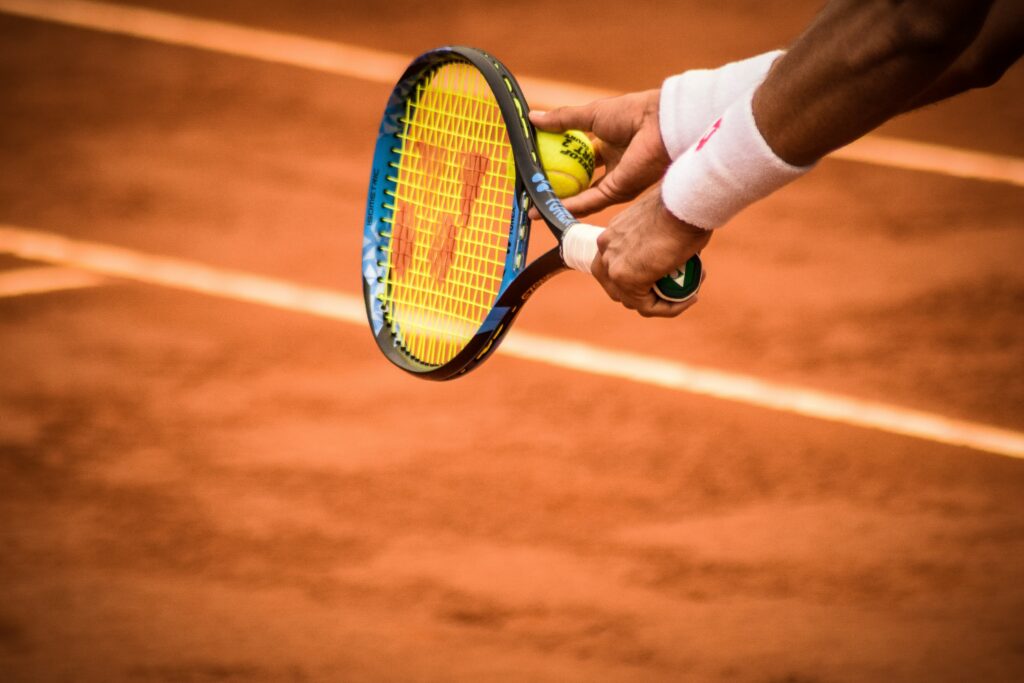
Tennis can shift quickly once a match begins, but much of what shapes the contest is visible before the first ball is struck. For fans used to NRL, AFL, horse racing or greyhound racing, the pre-match read is different because tennis depends heavily on individual form, surface suitability, fitness and match conditions. Checking these factors before the first serve gives a clearer picture of how the match may unfold.
Match-Up And Market Context
Before looking at a player’s recent wins and losses, it helps to understand the match-up itself. Tennis is not only about rankings. A lower-ranked player with a strong serve may trouble a higher-ranked opponent who struggles on return, while a consistent baseliner may expose someone who makes too many errors in long rallies.
This is also where reviewing tennis betting odds and markets can provide useful context. The market may reflect public expectations, but the actual match-up explains whether those expectations make sense. A short-priced favourite still needs to be assessed against playing style, surface history, recent workload and any known injury concerns.
The Playing Surface
Surface is one of the most important pre-match factors in tennis. Clay, grass and hard courts all reward different strengths. Clay often suits patient players who defend well and construct points, while grass can favour strong servers and players who attack early. Hard courts usually sit between the two, but conditions can still vary between tournaments.
A player’s overall ranking may look strong, but their record on the current surface may tell a different story. Someone who performs well on clay may be far less reliable on fast grass courts. Checking surface-specific form helps avoid relying too heavily on reputation alone.
Recent Form And Match Load
Recent form matters, but it should be read carefully. A player may have won several matches, yet those wins may have come against weaker opponents or in favourable conditions. Likewise, a player on a short losing run may have faced top-level opposition and still performed competitively.
Match load is just as important. Tennis players can be affected by long three-set or five-set matches, travel, quick turnarounds and back-to-back tournaments. A player coming through a draining match may not move as sharply in the next round, especially if they rely on long rallies and defensive coverage.
Fitness And Injury Signals
Tennis is highly exposed when it comes to fitness. There are no teammates to cover for reduced movement, poor serving rhythm or fatigue. Even a minor shoulder, wrist, knee or ankle issue can change the way a player serves, returns or chases wide balls.
Pre-match checks should include recent withdrawals, medical timeouts, visible strapping and comments from press conferences. Fans should also pay attention to whether a player has recently returned from injury, as match fitness can take time to rebuild even after a player is cleared to compete.
Serve And Return Strengths
Serve and return patterns often shape the early stages of a tennis match. A strong server may hold comfortably and create pressure in tie-break situations, while a strong returner may regularly force service games into deuce and create more break-point chances.
Looking at break points, first-serve percentage and return games won can offer a sharper read than the final score alone. A player who won easily but struggled to land first serves may face problems against a better returner. On the other hand, a player who lost narrowly but created plenty of return pressure may be closer to form than the result suggests.
Conditions And Match Timing
Weather, heat, humidity, wind and indoor or outdoor settings can all affect tennis performance. Wind can make serving and ball tosses harder to control, while extreme heat can increase fatigue during long rallies. Indoor matches often reduce weather variables and can favour clean ball-strikers and bigger servers.
Match timing also matters. Some players handle night sessions better, while others prefer daytime conditions. Travel schedules and time zones can also affect rhythm, particularly when players move between tournaments on different continents.
A Smarter Read Before The First Point
The best pre-match tennis checks combine context rather than relying on one signal. Ranking, form, surface, fitness, serving patterns, return strength and conditions all work together to shape the likely contest. For fans who already follow fast-moving sports and racing codes, the key difference is that tennis depends heavily on individual readiness. A careful read before the first serve can make the match easier to understand from the opening game onwards.
 LongshotNoor, the visionary founder of Hype Gamble Match, has built a dynamic platform aimed at transforming the betting experience for both seasoned gamblers and newcomers alike. With a passion for the betting industry and a deep understanding of its intricacies, LongshotNoor has shaped Hype Gamble Match into a go-to resource for the latest in betting trends, expert strategies, and comprehensive insights. Her commitment to delivering up-to-date, actionable information has established Hype Gamble Match as a trusted hub for bettors, helping them make informed decisions across sports betting, casino games, and the rapidly growing esports sector.