

What Betting Odds Really Mean
Odds aren’t just numbers they’re shorthand for probability. When a sportsbook lists odds on a team or outcome, they’re basically putting a price on how likely that result is. Lower odds mean higher probability. Higher odds? Bigger risk, bigger potential reward. It’s not magic. It’s math.
But there’s more going on than just the numbers. Sportsbooks aren’t trying to predict the future they’re trying to make money. Their goal is to get balanced action on both sides of a bet. That way, no matter who wins, they collect the juice (that built in cut they charge). So the odds shift not just based on team data or player injuries, but also where the public money is flowing. If one side gets too popular, the line moves to even things out.
And that’s where it gets interesting. Odds reflect both hard analytics and human behavior. Team stats and recent form? Sure. But also hype, narratives, and sometimes flat out crowd bias. A big name team might be overvalued. An underdog with no media attention might be a better bet. If you can read between the numbers, you’ll start to spot where value hides.
Decimal Odds
Decimal odds are the go to format in Europe, Canada, and most online sportsbooks. Clean, simple, and easy to calculate no mental gymnastics required. Instead of worrying about pluses or fractions, decimal odds just show you your total return per dollar wagered.
Here’s how it works: take your stake and multiply it by the decimal number. Betting $100 at 2.50 odds? You walk away with $250 total your original $100 plus $150 profit. Even odds are written as 2.00. Higher numbers mean bigger underdogs and bigger payouts.
Looking to get fast at reading them? Just remember: the difference between the decimal value and 1.00 is your profit per dollar. So 3.20? That’s $2.20 profit on every buck you bet. Fast math, easy reads that’s why a lot of bettors prefer it.
Decimal odds are also handy if you’re tracking potential returns across multiple bets or using betting calculators. Clean format, no conversions. If you’re new to the game or betting online, start here.
How to Read Odds in Real Scenarios
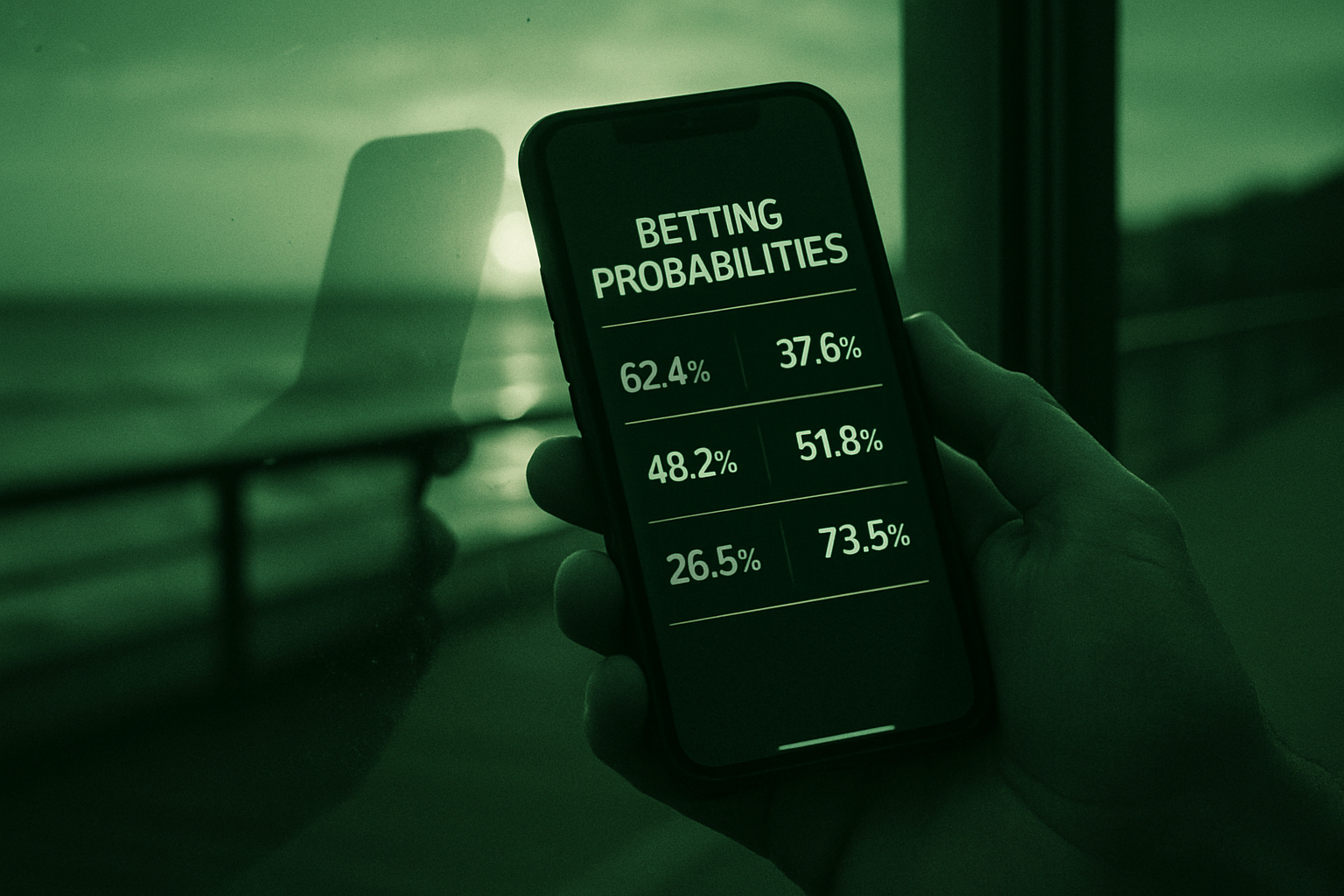
Let’s break it down without fluff. When you’re looking at a betting board, most of what you’re seeing comes in three flavors: moneylines, point spreads, and over/unders. Here’s what they really mean and how to read between the numbers.
A moneyline bet is the simplest. You’re picking a winner, straight up. A negative number (like 130) means that’s the favorite you’ll have to bet $130 to win $100. A positive number (+150) is the underdog bet $100, win $150. Clean. No point gaps or extra steps.
Point spreads are about margin. Say the Chiefs are 6.5 against the Raiders. That means Kansas City needs to win by at least 7 for your bet to cash. It doesn’t matter if they win by 3, or 30 what matters is beating the spread. With over/unders, the bet is on total points scored. If the line is 44.5, you’re simply guessing whether the combined final score goes over or under that number.
Now, shifting odds this is where sharp bettors start paying attention. If a moneyline moves from 120 to 140, that means new money is coming in heavy on that side. Shopping the line means you check across multiple sportsbooks to find the best deal. One book might list your pick at +105 while another has it at +120. Over time, that difference adds up.
Bad line shopping = leaving money on the table. And in betting, margins are razor thin.
Odds are more than numbers they’re signals. Learn to read them, and you stop guessing. You start investing.
Avoiding Rookie Mistakes
Understanding betting odds is just the beginning knowing how to interpret them wisely is what separates cautious beginners from reckless bettors. Many newcomers fall into a trap of misreading what odds actually indicate. Here’s how to avoid the most common early mistakes:
Odds Reflect Risk, Not Certainty
One of the biggest misconceptions is assuming that odds are predictions. In reality, they reflect probability and more importantly, perceived risk by the sportsbook.
Odds show what the market expects, not a guaranteed outcome
Just because a team is heavily favored doesn’t make them a sure win
Always weigh what you’re risking compared to what you stand to gain
There’s No Such Thing as a ‘Sure Thing’
Even the safest looking wager carries risk. Upsets happen, and unpredictability is what keeps betting interesting (and dangerous).
Underdogs sometimes win and favorites often underperform
Weather, injuries, and in game dynamics constantly shift the outcomes
Always be prepared to lose, even with “smart money” bets
Knowing When to Walk Away
Sometimes the best bet is not betting at all. Knowing when to pass can be a smart (and profitable) discipline.
Trust your research if the line doesn’t feel right, skip it
Avoid forcing action just to stay involved
Bet only when the value outweighs the risk
Tip: Keep emotions out of it. Gambling success is about long term strategy, not short term action.
If you’re serious about understanding the mechanics of betting not just odds, but how to build smarter habits don’t stop here. We’ve put together a full breakdown that covers the legal side, bankroll tips, line shopping, and strategic betting approaches. Whether you’re just placing your first wager or trying to clean up after a few rookie mistakes, this guide trims the fat and gets straight to what works. Get the full picture in our sports betting 101 guide.
Final Tips for Beginners
Start simple. Don’t chase the most complicated bets or exotic parlays thinking they’ll make you a fortune overnight. Instead, focus on clarity. Understand the basic bet types like moneylines or spreads and get comfortable reading odds before diving deeper.
Pick one odds format American, decimal, or fractional and get fluent in it. Switching between styles too soon just adds mental noise. Lock one in, and make sure you’re reading it correctly every time.
Lastly, keep a record. Write down your picks, odds, and outcomes. Track your wins and losses. See what bets worked and where you missed. This habit takes five minutes but builds long term awareness and that’s how smart bettors stay in the game long after the hype fades.
Read more from our full beginner’s guide: sports betting 101
 Dorothya Silvannan, the visionary founder of Hype Gamble Match, has built a dynamic platform aimed at transforming the betting experience for both seasoned gamblers and newcomers alike. With a passion for the betting industry and a deep understanding of its intricacies, Dorothya has shaped Hype Gamble Match into a go-to resource for the latest in betting trends, expert strategies, and comprehensive insights. Her commitment to delivering up-to-date, actionable information has established Hype Gamble Match as a trusted hub for bettors, helping them make informed decisions across sports betting, casino games, and the rapidly growing esports sector.