
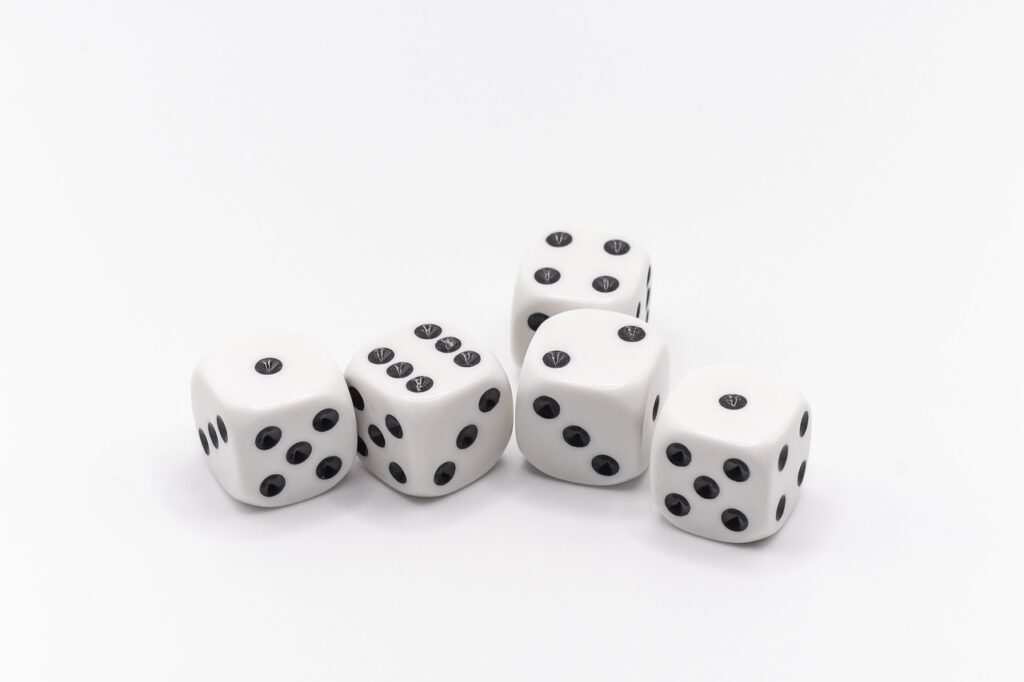
One Size Never Fits All
Using one strategy for every gambling game? That’s a fast track to empty pockets. Each game lives by its own rules poker isn’t blackjack, and neither play like slots. The variables shift: odds, player control, pace, even how much you can actually influence the outcome.
Cards games like blackjack reward precision and math. Poker adds a human element bluff, read, adapt. Slots? Minimal control, so you lean into probabilities and payout structures. If you play each the same way, you’re not playing smart you’re guessing.
Flat strategies won’t survive across different games. The cost? Wasted bankroll, missed chances, and frustration. Adjusting doesn’t mean overthinking it means paying attention. If you understand the game you’re in, you’ve already got the edge.
Blackjack: Strategy Meets Math
Blackjack isn’t just a game of chance it’s one of the few casino games where players can influence the outcome through skill and decision making. To play it well, your strategy must be meticulously tailored.
Stick to the Math: Basic Strategy
Understanding and following basic blackjack strategy is non negotiable. Based on statistical probabilities, this strategy tells you the optimal move for every possible hand you’re dealt, minimizing the house edge.
Chart out hit, stand, split, and double down decisions
Adjust your actions based on the dealer’s face up card
Learn to deviate slightly in rare game specific scenarios
Card Counting: Where It’s Legal, It’s Smart
In places where it’s legal, card counting can give players an edge by tracking the ratio of high to low cards still in play. While it’s not foolproof and often frowned upon by casinos it remains a proven strategy when executed correctly.
Track cards to assess whether the deck favors the player or dealer
Vary your bet sizes based on the count
Stay under the radar casinos monitor behavior closely
Know When to Hit, Stand, or Double
Not all situations are equal. Making situational decisions based on both your hand and the dealer’s card is key to long term success.
Hit when the risk of busting is low, and the dealer shows a strong card
Stand when your hand is solid and the dealer is weak
Double down when the odds are in your favor and you can profit more from a single card
Manage Bankroll Like a Pro
Bankroll management in blackjack isn’t optional it’s survival. Tactical shifts in betting can stretch your playtime and increase your odds.
Set a budget before you play and stick to it
Adjust bet sizes based on table limits and your win/loss streak
Know when to walk away even a good strategy can’t beat bad timing
Want to see how blackjack compares to poker or slots? Dive into our full guide on how to adapt strategy by game.
Poker: Reading Opponents, Not Just Cards

In poker, the cards are only half the story. Great players stay unpredictable by bluffing at the right moments not constantly. Bluffing is like spice; too much, and your whole dish falls apart. Add it when the situation suggests your story makes sense. Make your bluffs tell a consistent narrative based on previous hands, board texture, and opponent history.
Position matters. Playing from late position (closer to the dealer button) opens your game you see what others do before you move. From early position, tighten up. You’re flying blind, and loose play gets punished quicker.
High level players mentally log hand ranges. You won’t always need to memorize every possibility, but noting patterns who leads with what, who chases, who folds easily grounds your decisions. Over time, this gives you an edge at tables filled with autopilot players.
Then there’s the game type itself. In cash games, stacks are deeper and mistakes are more expensive. Patience and precision pay off. In tournaments, blinds rise fast, so controlled aggression matters more. You’ll need to take risks just to survive, not just to win.
Finally, know your risk limits. Sometimes pushing hard pays off it builds a table image and can force weaker hands off the pot. But relentless aggression wears thin and gets called eventually. Balance is key.
For more on how to adjust your strategy by game, check out this in depth guide.
Slots: Maximize What You Can Control
Most people treat slots like pure luck and yeah, you can’t change what symbols pop up. But smart players still work within the rules. Start with two basics: volatility and RTP (Return to Player). High volatility slots pay out bigger amounts but less often. Low volatility games hit more frequently, with smaller wins. Know which one you’re playing before you start, and match it to your budget and patience level. RTP tells you how much, on average, the game pays back. Aim for games over 96% if you want to stack the odds slightly back in your favor.
Next up: bet sizing. It’s not just about how much you can afford it’s about how much the game wants from you to unlock features. A lot of slots only give you access to bonuses or progressives if you’re betting big enough. Small bets stretch your session but might kill your upside. Smart players adjust bets based on session length, bonus potential, and volatility. There’s no one size chart just balance.
Speaking of progressives: they’re shiny, but unforgiving. Progressive slots offer rising jackpots tied across machines or networks. Fixed payline slots, meanwhile, are more predictable. Chasing big jackpots can drain your bankroll fast especially if you don’t qualify by betting max. If you’re just out for entertainment or lower variance, fixed payline games tend to deliver more consistent action.
And finally: never chase losses. Slots are fast, emotional machines. It’s easy to spiral double down, spin again, “just one more.” That mindset burns budgets and clouds judgment. Set limits. Stick to them. Forget trying to get even. The game doesn’t care.
Play smart, keep it tight, and let go when it’s time.
Online Specific Tweaks
Online gambling isn’t just a mirror of the casino floor it’s a different beast altogether. First up: live dealer games vs. RNG based ones. Live dealer tables offer the feel of a real game with actual human interaction. There’s timing, hesitation, reads. RNG games? Fast, cold, and math driven. No dealer. Just a digital spin or flip decided in microseconds by software. If you’re playing blackjack or roulette, your strategy may shift depending on which version you’re facing patience and pace matter more in live games, while RNG favours sharper focus and quick risk calibration.
Now, promotions and bonuses. Everyone loves a sign up bonus, but not all promos are worth it. The smart move? Read the fine print. Terms like “wagering requirements” can flip a good deal into a trap. Focus on bonuses with low playthrough, and only use them on games that let you maximize value think slots with high RTP or low edge table games.
Timing and pace are your hidden tools. Online play happens fast. Too fast, sometimes. It’s easy to lose track of bets, especially when auto spin or quick re bet is in play. Slow down, take breaks, audit your session. Quick bursts of focused play beat hour long marathons full of tilt and tunnel vision. Odds don’t change with time of day but your mental edge does. Play when you’re sharp, stop when you’re slipping.
Final Moves That Matter
If you’re not studying the game you’re playing, you’re donating your money. Whether it’s poker, blackjack, or slots, mastery starts with knowing the rules cold then pushing further. Watch patterns, explore different tactics, run simulations, test your assumptions. Stay curious. Good gamblers evolve.
But even the best strategy won’t survive static thinking. Cards don’t care about your spreadsheets. Situations shift, opponents adapt, odds tilt in a blink. The flexible player willing to pivot, slow down, or ramp up is the one who lasts.
Then there’s the line that separates short bursts of lucky wins from consistent returns: discipline. You need boundaries. Know when to exit, when to change tables, when to stop for the day. If you don’t plan your exits, the house will happily do it for you.
Winning isn’t about luck. It’s about managing risk, adapting in real time, and pulling back when ego wants to keep going. Know your edge. And when it fades, leave the table.
 Dorothya Silvannan, the visionary founder of Hype Gamble Match, has built a dynamic platform aimed at transforming the betting experience for both seasoned gamblers and newcomers alike. With a passion for the betting industry and a deep understanding of its intricacies, Dorothya has shaped Hype Gamble Match into a go-to resource for the latest in betting trends, expert strategies, and comprehensive insights. Her commitment to delivering up-to-date, actionable information has established Hype Gamble Match as a trusted hub for bettors, helping them make informed decisions across sports betting, casino games, and the rapidly growing esports sector.